Enzymes, Environment, and Molecular Pathology
LC BUI, F BUSI, F DESHAYES, JM DUPRET, E PETIT, F RODRIGUES LIMA, M VIGUIER
Our research primarily focuses on the acetyltransferase CREBBP, the methyltransferase SETD2, the tyrosine phosphatases PTPN2/PTP1B, and glycogen phosphorylase GPb. However, within the framework of collaborative projects, we are also regularly involved in studies on other enzymatic systems.
CREBBP and SETD2 play major roles in epigenetic processes, notably through histone modifications (particularly the H3K18ac and H3K36me3 marks), but also through the modification of non-histone proteins such as transcription factors and cytoskeletal proteins.
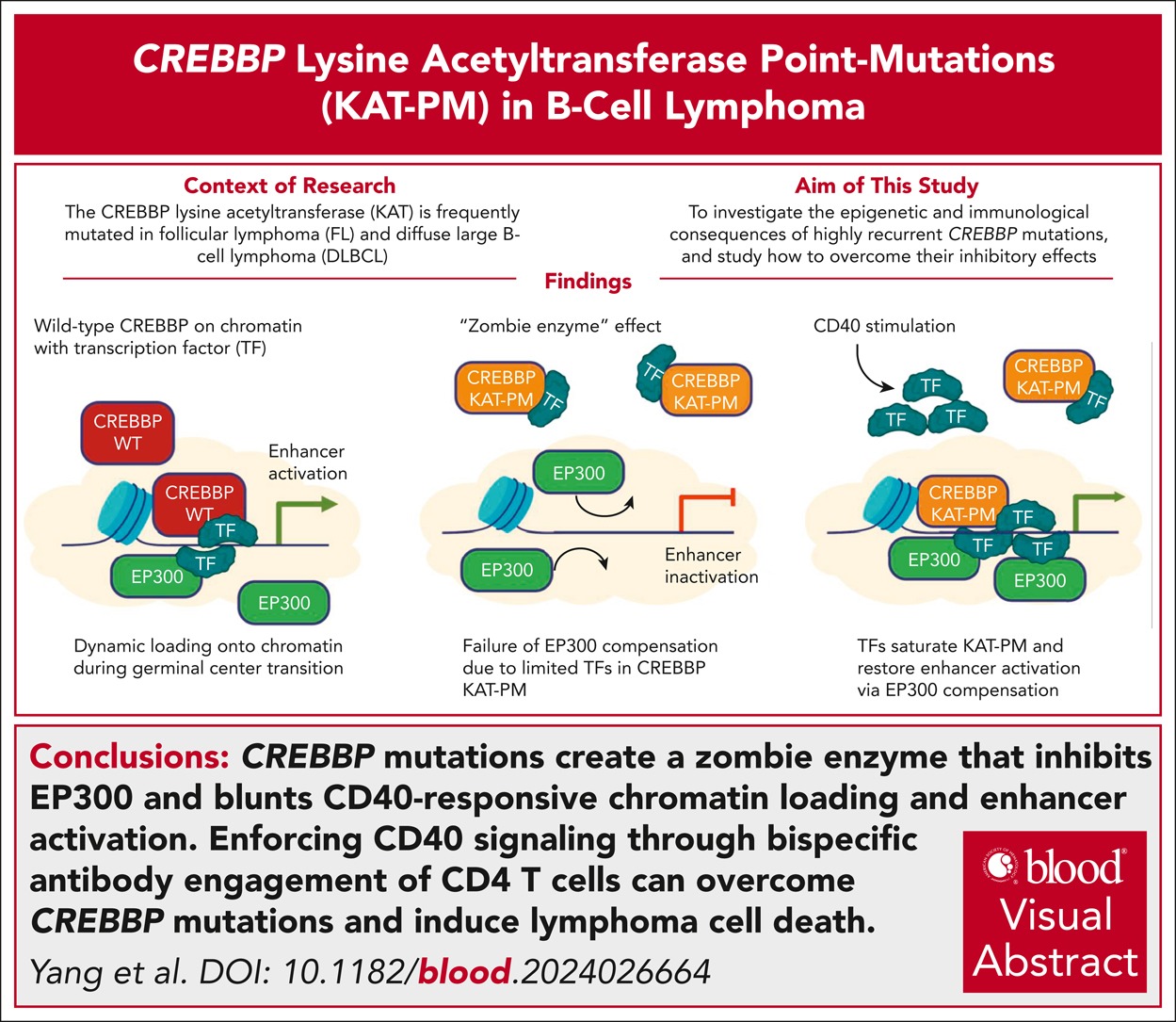
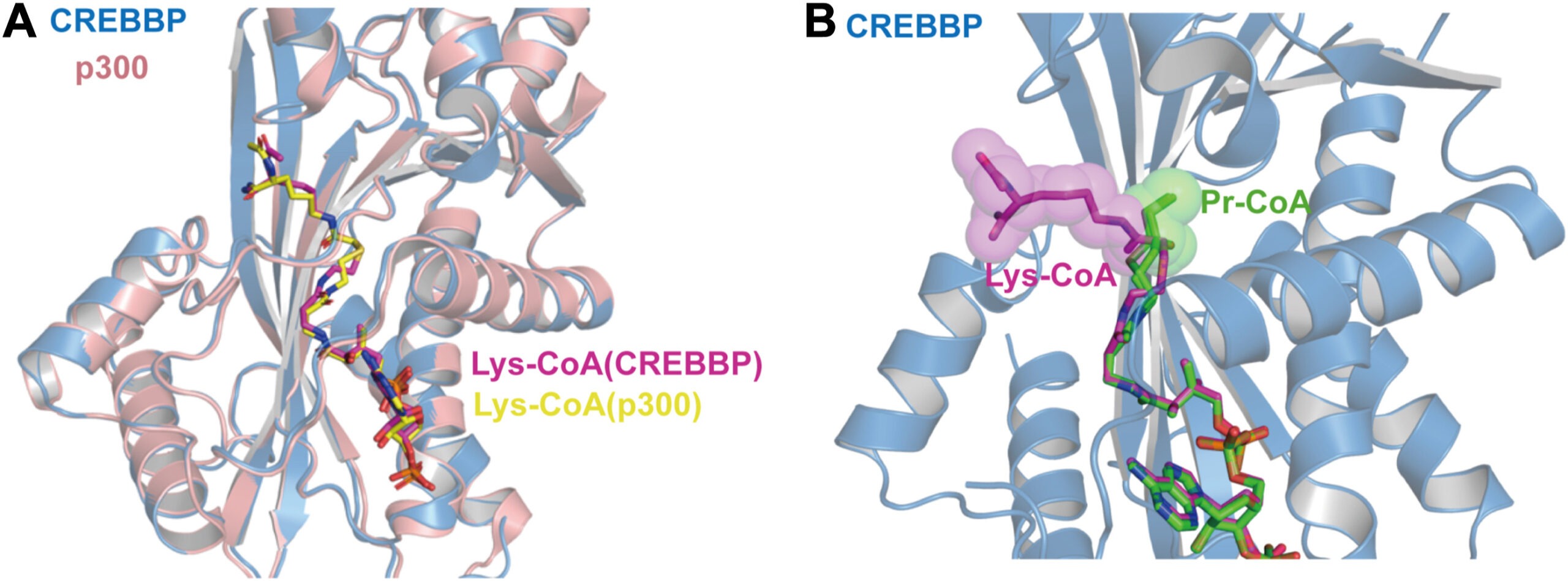
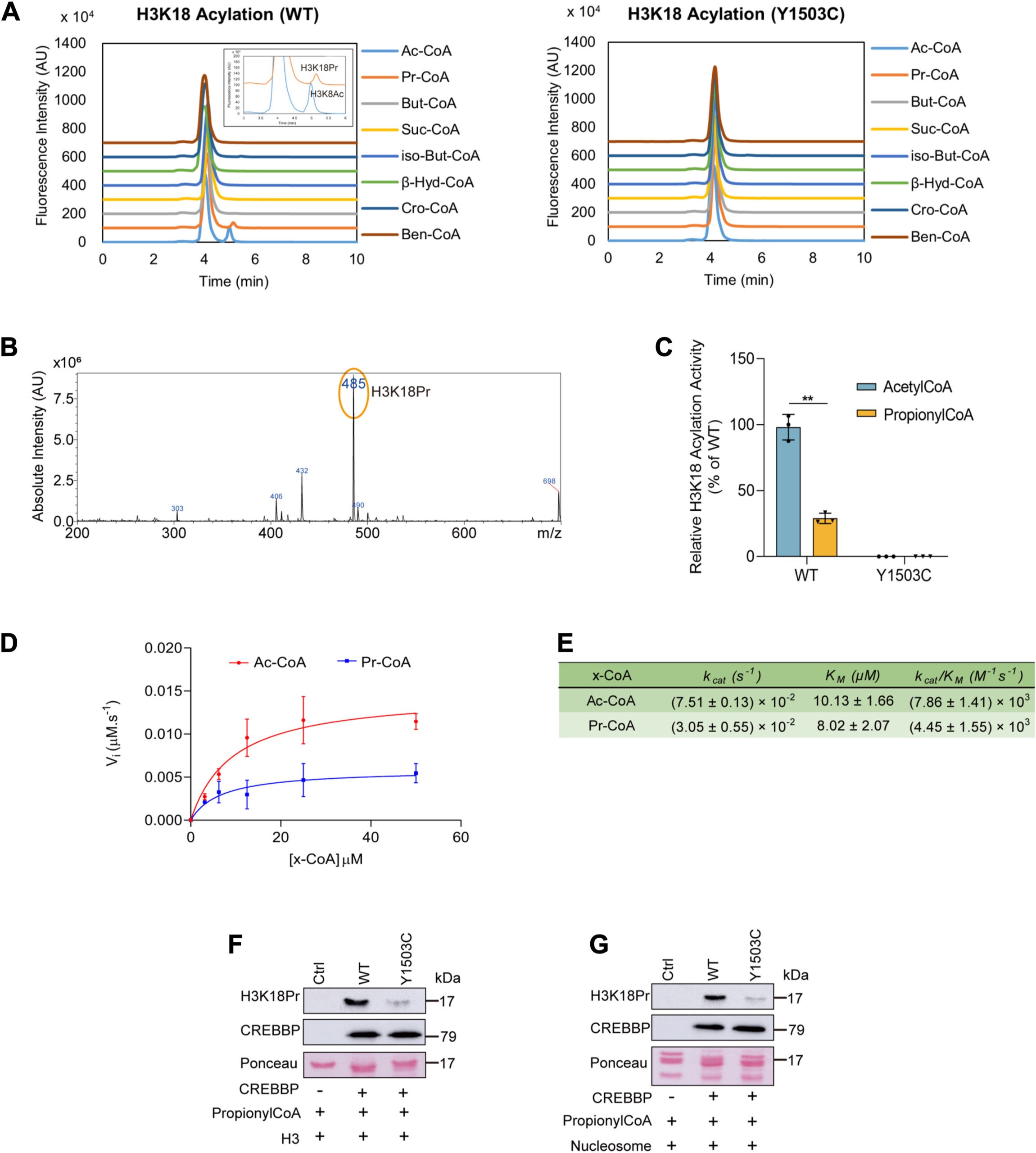
Both enzymes are considered tumor suppressors; however, their pathological implications extend beyond cancer, as dysregulation of CREBBP and SETD2 is also involved in neurodevelopmental and metabolic disorders. Using molecular, cellular, and structural approaches, we recently characterized several mutant forms of CREBBP and SETD2 involved in malignant diseases (Yang et al., Blood, 2025; Michail et al., J. Biol. Chem. 2026). We also demonstrated that CREBBP possesses histone propionyltransferase activity capable of generating the epigenetic mark H3K18pr, thereby providing new insights into the mechanisms linking cellular metabolism to post-translational and epigenetic regulation (Cui et al., J. Biol. Chem. 2025).
As part of our work on CREBBP and SETD2, we have developed several tools, including specific enzymatic assays, metabolic quantification methods, CRISPR/Cas9-edited cellular models, as well as vectors enabling the expression, purification, and structural characterization of these enzymes and their pathological variants.
In parallel, the team has developed expertise over several years in the study of certain tyrosine phosphatases, particularly PTPN2 and PTP1B. These enzymes are involved in multiple cellular signaling pathways, and their dysregulation is associated with tumorigenic, inflammatory, and metabolic disorders. We characterized, at the molecular, cellular, and structural levels, a mutant form of PTPN2 responsible for an inflammatory bowel disease phenotype (Parlatto et al., Gastroenterology, 2020; Nian et al., Protein Sci., 2022). More recently, we demonstrated the impact of certain chemical compounds (cisplatin used in chemotherapy and quinones found in cosmetic creams) on PTP1B activity and associated signaling pathways (Liu et al., Biomed. Pharmacother. 2022; Arnaud et al., Mol. Pharmacol. 2025). Several tools have been developed within the team to measure the enzymatic activity of PTPN2 and PTP1B, and more broadly to investigate their structure and functions.
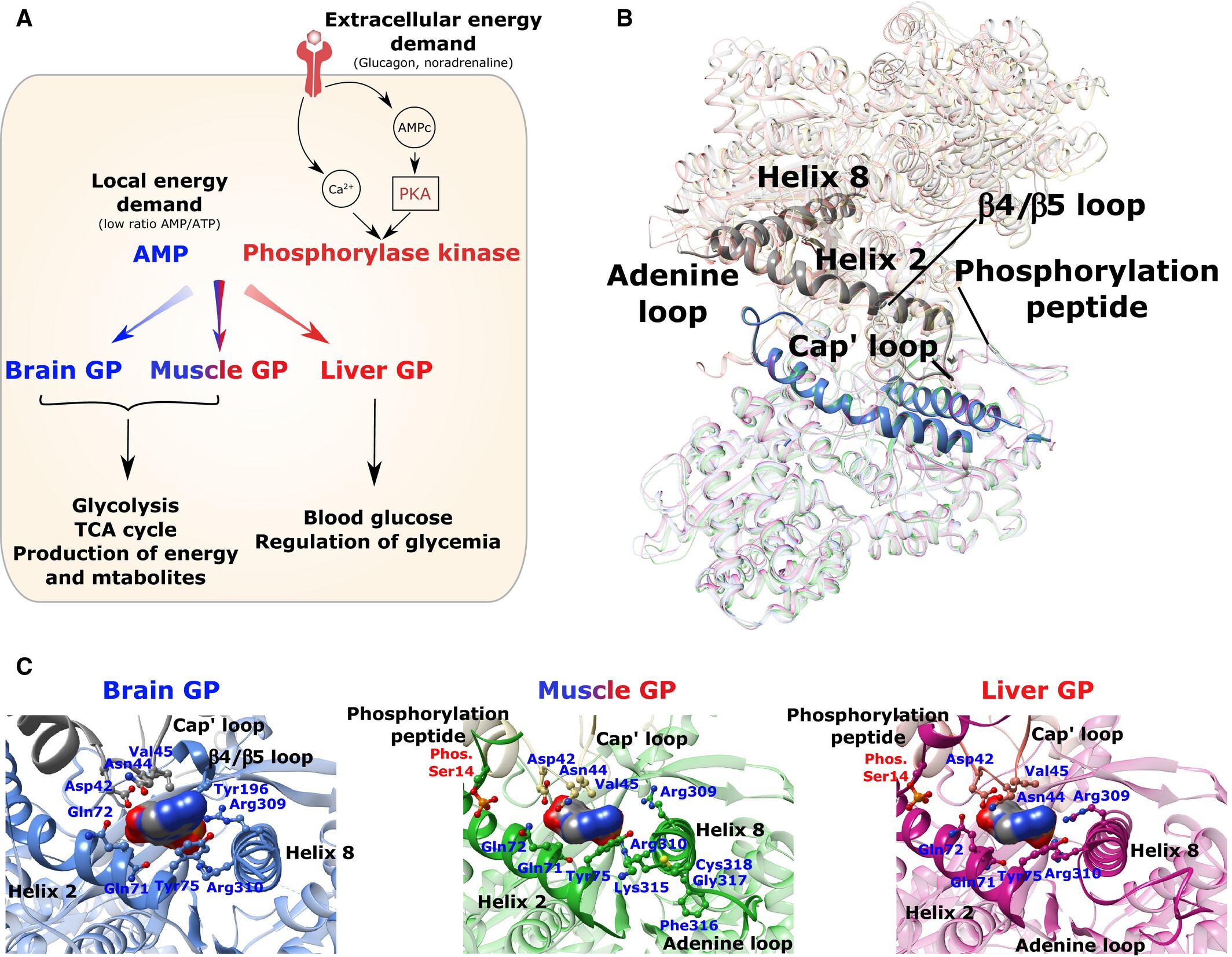
Finally, we are conducting research on brain glycogen phosphorylase (PYGB). PYGB is a key enzyme in brain energy metabolism, specialized in the rapid mobilization of glycogen stored mainly in astrocytes, thereby enabling the rapid production of energy substrates for neurons. The 3D structure and the enzymatic and structural bases of the allosteric regulation of human PYGB were first described by the team in a series of articles (Matthieu et al., 2016a; Mathieu et al. 2017a). We also identified a PYGB-specific redox-dependent regulatory mechanism and showed that dithiocarbamate pesticides disrupt PYGB functions (Mathieu et al., 2016b; Mathieu et al., 2017; Mathieu et al., 2019). Several tools dedicated to the molecular, cellular, and structural study of PYGB have been developed within the team.
Our current studies on CREBBP and SETD2 aim to further elucidate the structure and functions of these enzymes, particularly through the analysis of new mutations associated with neurodevelopmental and tumor-related disorders. These studies aim, on the one hand, to characterize the impact of these pathogenic mutations and, on the other hand, to improve our understanding of these enzymes, notably through the identification of new protein substrates, novel functions, or metabolic interactions involving coenzyme A and S-adenosylmethionine.
Our ongoing work on PTPN2 focuses on the characterization of mutant forms identified in colorectal cancers and metabolic diseases. We are also investigating the impact of certain chemical pollutants on PTPN2-dependent signaling pathways, particularly in the intestine.
Current research on PYGB is primarily focused on identifying and characterizing the regulation of the enzyme and glycogen metabolism by neurotransmitters and xenobiotics.
This work is supported by national and international collaborations. In addition, our research benefits from and contributes to the development of the Unit’s Bioprofiler technical platform, particularly through the development of enzymatic assays and methods for the detection and characterization of molecules and metabolites.